Oh, look—it’s 2026, and football news is still the gift that keeps on giving. The kind of gift you unwrap only to find a pair of socks you didn’t ask for, but now you’re stuck with them because, well, you opened the damn box. If you thought the last decade of VAR controversies, Saudi-backed takeovers, and stadiums named after cryptocurrency scams was peak absurdity, buckle up. The beautiful game has officially become a reality TV show, and we’re all just extras in someone else’s drama.
Football News 2026: The Plot Thickens (And So Does the Sponsor’s Logo)
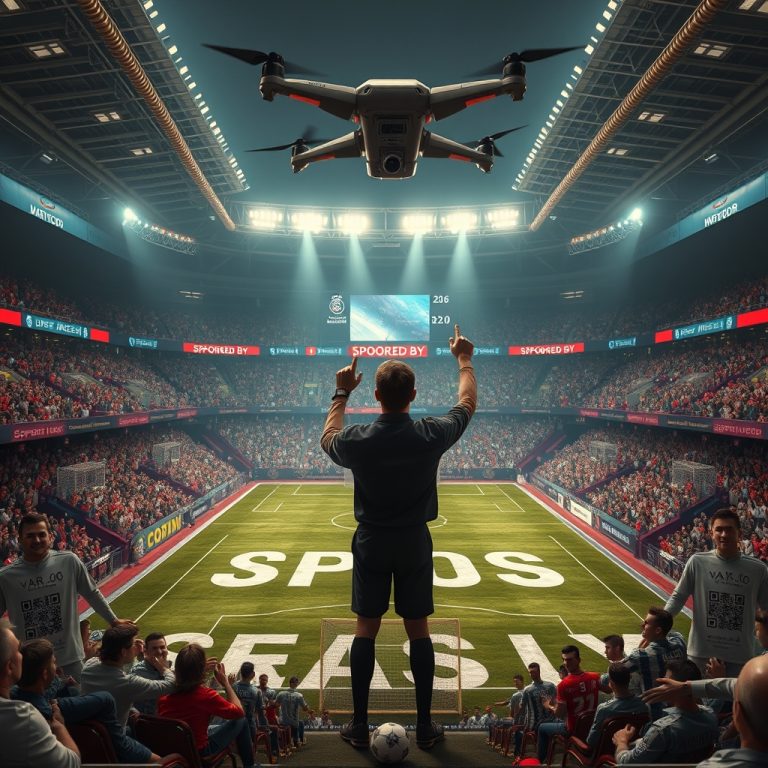
Remember when football was about, you know, football? Those quaint days when the biggest scandal was a player getting caught eating a kebab at 3 AM? Fast forward to 2026, where the sport has fully embraced its new identity as a corporate puppet show. Every match is now brought to you by at least three different sponsors, each with their own jingle, QR code, and an AI-generated mascot that looks like it was designed by a committee of interns who just discovered DALL·E.
And let’s not forget the jerseys. Oh, the jerseys. Gone are the days of simple, elegant designs that didn’t look like they were vomited up by a neon-colored printer. Now, every kit is a walking billboard, with more logos than a NASCAR driver. The only thing missing is a disclaimer: “Warning: May cause seizures if viewed under fluorescent lighting.”
The Transfer Window: Where Dreams Go to Die (And Agents Get Rich)
If you thought the transfer window was already a circus, wait until you see what 2026 has in store. This year, the window has been extended to a full six months because, apparently, three wasn’t enough time for clubs to spend €200 million on a 17-year-old who’s never played a full 90 minutes. The only thing moving faster than the money is the spin from agents, who’ve somehow convinced us that a player leaving a club after six months because he “wanted a new challenge” is a totally normal and not-at-all-suspicious reason to uproot his life.
And let’s talk about the fees. Or rather, let’s not, because they’ve officially entered the realm of Monopoly money. Clubs are now paying transfer fees in installments, like they’re buying a sofa from a dodgy furniture store. “Don’t worry, we’ll pay you in five years—just sign here!” It’s less a transfer market and more a high-stakes game of financial chicken, where the only losers are the fans who still believe their club has a “project.”
VAR 2.0: Because the First Version Wasn’t Frustrating Enough
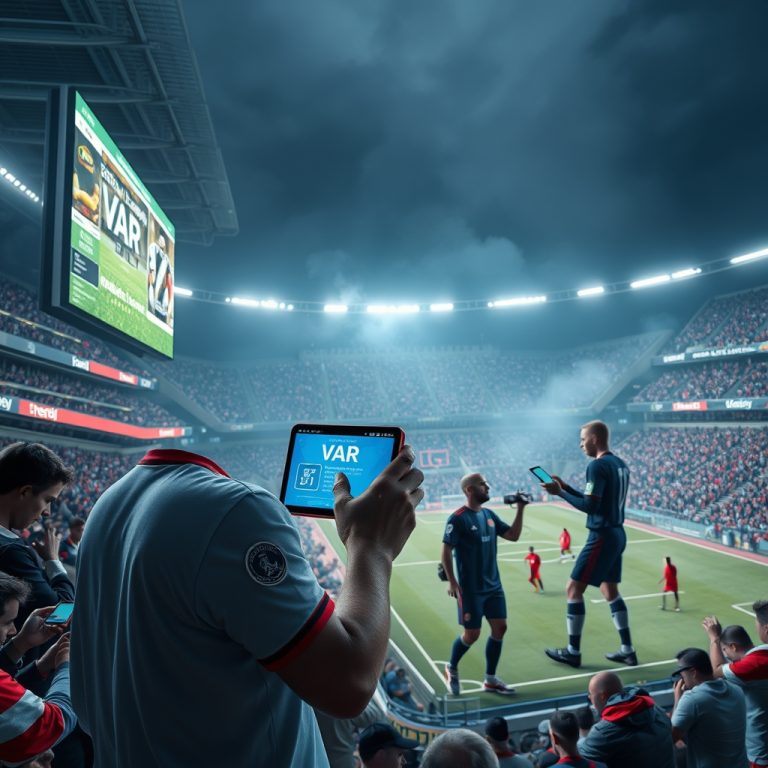
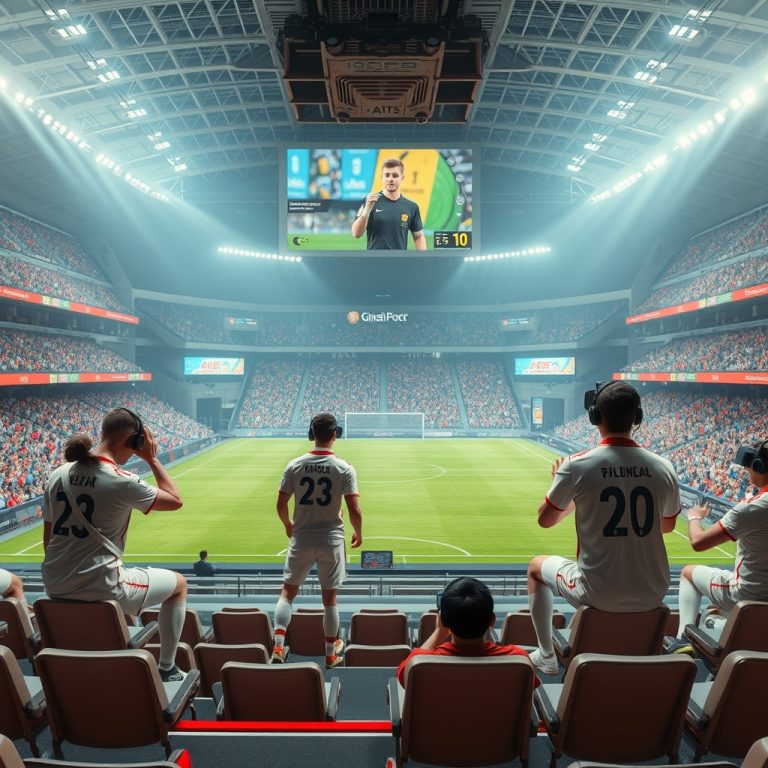
Ah, VAR. The technological marvel that was supposed to make football fairer, but instead turned every goal celebration into a suspenseful waiting game. Well, guess what? In 2026, VAR has been upgraded to VAR 2.0, which is basically the same thing but with more cameras, more delays, and more pundits arguing about whether the toe was offside by a millimeter. The only difference is now the referee has to wear a VR headset to review decisions, because apparently, watching a screen like a normal person was too efficient.
The best part? The VAR room is now sponsored. That’s right—every time the referee checks a decision, you’ll be treated to a 10-second ad for a new energy drink. Because nothing says “integrity” like a sport where the outcome of a match can be influenced by how well the referee responds to subliminal advertising.
The Stadium Experience: Now With 50% More Capitalism
Gone are the days when going to a football match was about, you know, watching football. In 2026, the stadium experience is a full-blown immersive event, where the actual game is just one small part of the spectacle. Want to watch your team play? Great! That’ll be €150 for a ticket, €20 for a beer that tastes like regret, and €50 for a “VIP experience” that includes a selfie with a mascot who looks like he’s plotting your demise.
And don’t even think about bringing your own food. Stadiums now have facial recognition technology that scans your face as you enter, ensuring you don’t sneak in so much as a granola bar. Why? Because the concession stands are now run by the same people who price-gouge at music festivals, and they’ve got a captive audience. Literally—you can’t leave without missing the game, and you can’t watch the game without paying through the nose.
Football’s Midlife Crisis: When Did We Lose the Plot?
At some point, football stopped being about the sport and started being about everything else. The money, the politics, the endless stream of hot takes that no one asked for. It’s like watching your favorite band sell out, but instead of making a cheesy pop album, they’ve decided to turn their concerts into a multi-level marketing scheme. And yet, here we are, still buying the tickets, still watching the games, still pretending this is normal.
Maybe it’s because we’re all masochists. Maybe it’s because we’ve been conditioned to accept that this is just how things are now. Or maybe it’s because, deep down, we still love the game—even if it’s buried under layers of corporate greed, absurd transfer fees, and VAR-induced rage. Football in 2026 is a mess, but it’s our mess, and we’re not giving it up without a fight.
So, what’s next? More sponsors? More VAR? More transfer sagas that read like a soap opera script? Probably. But hey, at least we’ll have something to talk about while we wait for the next inevitable scandal. And who knows? Maybe one day, we’ll look back on all this and laugh. Or cry. Or both. Either way, we’ll still be watching, because that’s what we do. We’re the ones holding the remote, after all.
About the Author