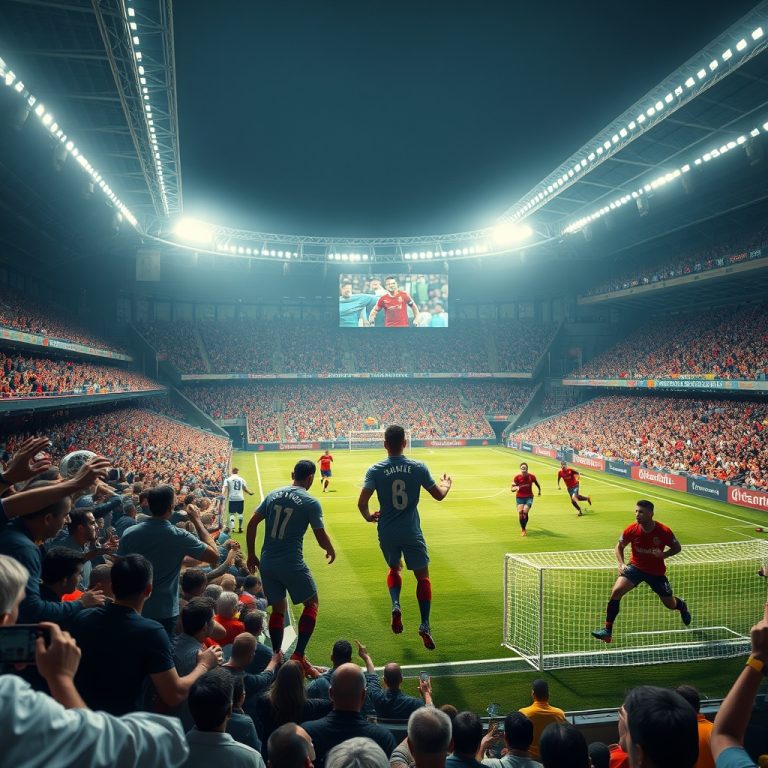
Oh, look—it’s 2026, and football news is still the gift that keeps on giving, like a subscription box you didn’t ask for but can’t cancel because you’re emotionally invested in the packaging. The beautiful game has officially become a live-action corporate karaoke night, where the suits hold the microphones, the lyrics are written by lawyers, and we’re all just here, belting out the chorus like it’s our job. Spoiler: It kind of is.
The 2026 Football News Playbook: Or, How to Turn Passion Into a Spreadsheet
Let’s start with the basics: football news in 2026 is less about the sport and more about the spreadsheet. Every transfer, every VAR decision, every sponsorship deal is now a line item in some executive’s quarterly report. Remember when football was about goals, drama, and the occasional streaker? Now it’s about EBITDA, ROI, and whatever acronym the finance bros are peddling this week. The only thing more predictable than a Manchester City title win is the inevitable press release about how this season’s “innovative fan engagement strategy” will “revolutionize the matchday experience.” Translation: They’re charging you more for less.
And speaking of matchdays, let’s talk about the 2026 football experience, which is basically a theme park where the rides are overpriced, the lines are endless, and the only prize is the vague sense that you’ve been scammed. Want to watch your team play? Great! That’ll be £150 for a ticket, £20 for a beer that tastes like regret, and £5 for the privilege of using the app that tells you where the bathroom is. Oh, and don’t forget the “dynamic pricing” surge fees because, apparently, capitalism hasn’t ruined enough things yet.
VAR 2.0: Because the First Version Wasn’t Depressing Enough
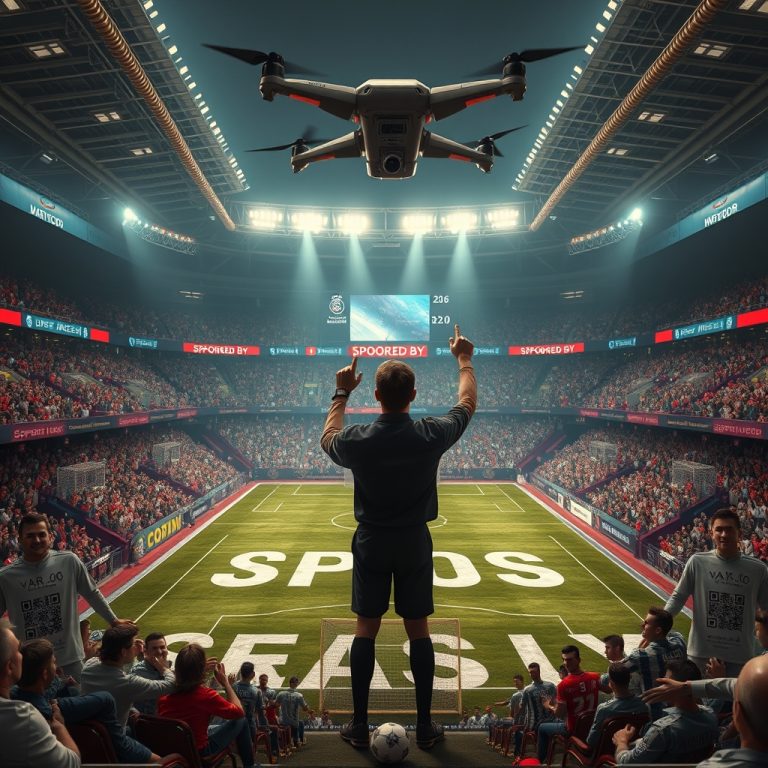
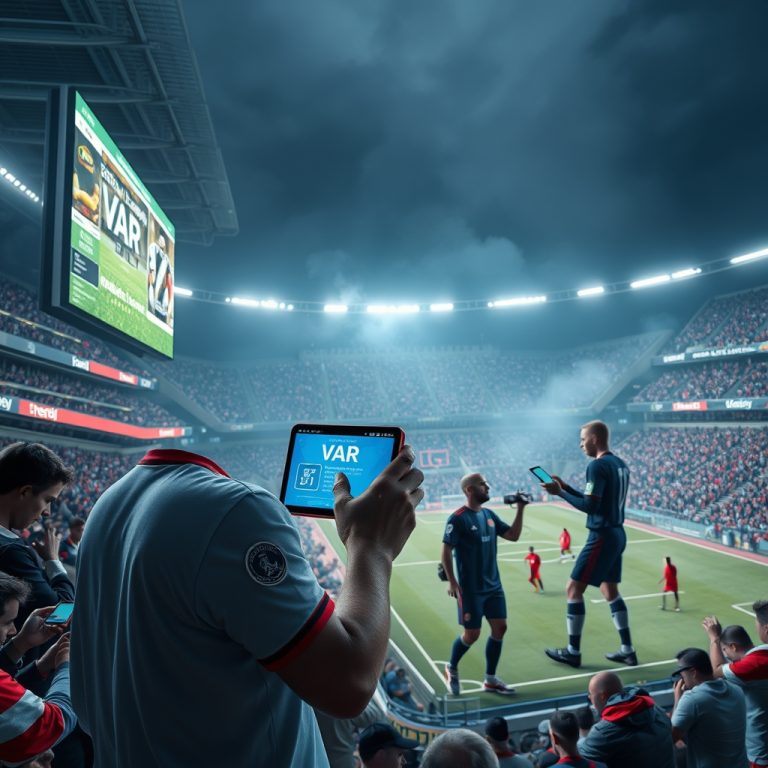
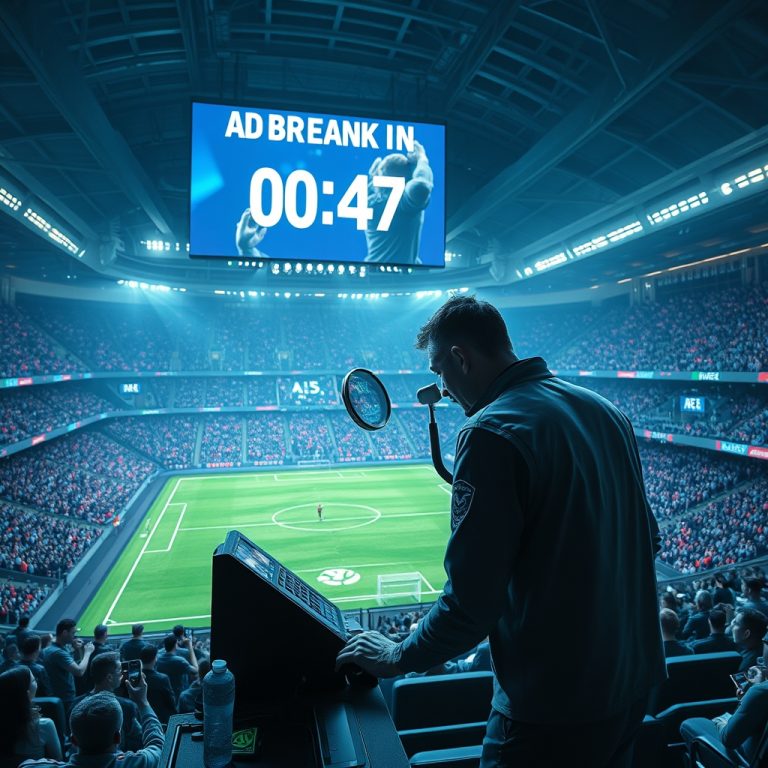
Ah, VAR—the technological marvel that turned football into a stop-motion slideshow of existential dread. In 2026, we’ve been blessed with VAR 2.0, which is basically the same as the original but with more ads. Now, instead of just waiting three minutes to see if your team’s last-gasp winner was actually offside, you get to watch a 30-second commercial for a cryptocurrency you can’t afford. The refs still don’t know what a handball is, but at least they’re now sponsored by a fintech startup that promises to “disrupt the offside rule.”
And let’s not forget the AI-powered referee, because nothing says “human error” like a robot that was trained on a dataset of 1990s Serie A matches. The AI ref is unbiased, efficient, and completely incapable of understanding the concept of “flow.” It’s like watching a chess match where every move is interrupted by a pop quiz. But hey, at least the decisions are “data-driven,” which is corporate-speak for “we don’t trust humans to do this anymore, and neither should you.”
The Super League: Now With 100% More Legal Loopholes
Remember the European Super League? That glorious, short-lived moment when football’s elite tried to turn the sport into a closed shop for billionaires? Well, guess what? It’s back, baby! And this time, it’s got a fancy new name: “The Global Elite Football League (GEFL), Presented by [Insert Nonsensical Acronym Here].” The format is the same—12 teams, no relegation, and a whole lot of hubris—but now it’s “fan-owned,” which is code for “we let you buy shares so you can feel like you have a say while we ignore you completely.”
The best part? The GEFL has partnered with a blockchain company to “tokenize fan engagement.” That’s right—now you can own a digital token that gives you the “exclusive right” to vote on whether the team’s third kit should be neon green or radioactive orange. It’s not a real vote, of course, but at least you get a cool NFT to show for it. Meanwhile, the actual football is just a sideshow to the real spectacle: watching billionaires argue over who gets to host the “innovative mid-season break in Dubai.”
Grassroots Football: The Last Bastion of Sanity (Or Is It?)
With all this corporate nonsense, you’d think grassroots football would be a safe haven—a place where the game is still played for the love of it, not the love of a balance sheet. And you’d be wrong. Even Sunday league football isn’t safe from the creeping tendrils of late-stage capitalism. Want to book a pitch? That’ll be £100, and don’t even think about bringing your own ball unless it’s got a sponsor’s logo on it. Local clubs are now “community hubs” with “monetization strategies,” which is a fancy way of saying they’ve installed a vending machine that sells overpriced protein bars next to the changing rooms.
The real kicker? The FA has introduced a “digital transformation initiative” for grassroots football, which means your local park team now has to submit match reports via an app that crashes more often than a Sunday league defender. But hey, at least you get a “personalized performance dashboard” that tells you what you already know: You’re slow, you’re unfit, and you should’ve passed to Dave instead of trying to dribble through three men.
The Future of Football: Or, How to Lose Friends and Alienate People
So, what’s next for football in 2026? More of the same, obviously. The stadiums will get bigger, the tickets will get pricier, and the actual football will get squeezed into smaller and smaller windows between ads for erectile dysfunction pills and life insurance. The players will become even more like corporate ambassadors, their social media feeds a carefully curated mix of training montages and sponsored posts for energy drinks they don’t actually drink. And the fans? We’ll keep showing up, keep paying, and keep pretending that this is still the game we fell in love with.
But here’s the thing: Football isn’t dead. It’s just been repackaged, rebranded, and resold to us so many times that we’ve forgotten what it used to look like. The suits can try to turn it into a live-action corporate karaoke night, but the song is still ours. The question is, are we going to keep singing along to their tune, or are we going to grab the mic and start belting out our own? The stage is set—literally. Now it’s up to us to decide what happens next. Just don’t expect the exit door to be anything other than another VIP lounge.
About the Author