Oh, look—it’s 2026, and football has officially become the world’s most expensive, overproduced, and algorithmically optimized content farm. If you thought the beautiful game was safe from the soul-sucking vortex of short-form video trends, think again. The latest football news 2026 is here to remind you that your favorite sport is now just another scrollable spectacle, where the only thing more fleeting than a viral moment is your attention span. Congratulations, you’re not a fan anymore—you’re a data point.
The Algorithm Strikes Back: How Football Became a TikTok Feed
Remember when football was about 90 minutes of drama, a few questionable refereeing decisions, and the occasional pitch invasion? Those were the days. Now, the game has been distilled into 15-second clips where a player’s nutmeg is set to a trending audio track, and the offside rule is explained via a dancing mascot. The powers that be have realized that if they don’t turn every match into a content opportunity, Gen Z might actually go outside and touch grass. Heaven forbid.
And let’s not forget the players, who are now contractually obligated to post at least three TikToks a week or risk being labeled “out of touch.” Nothing says “authentic football culture” like a striker lip-syncing to a sea shanty while doing keepy-uppies in his kitchen. The line between athlete and influencer has officially been erased, and we’re all just along for the ride—whether we like it or not.
VAR 2.0: Because Why Stop at Human Error When You Can Add AI Hallucinations?
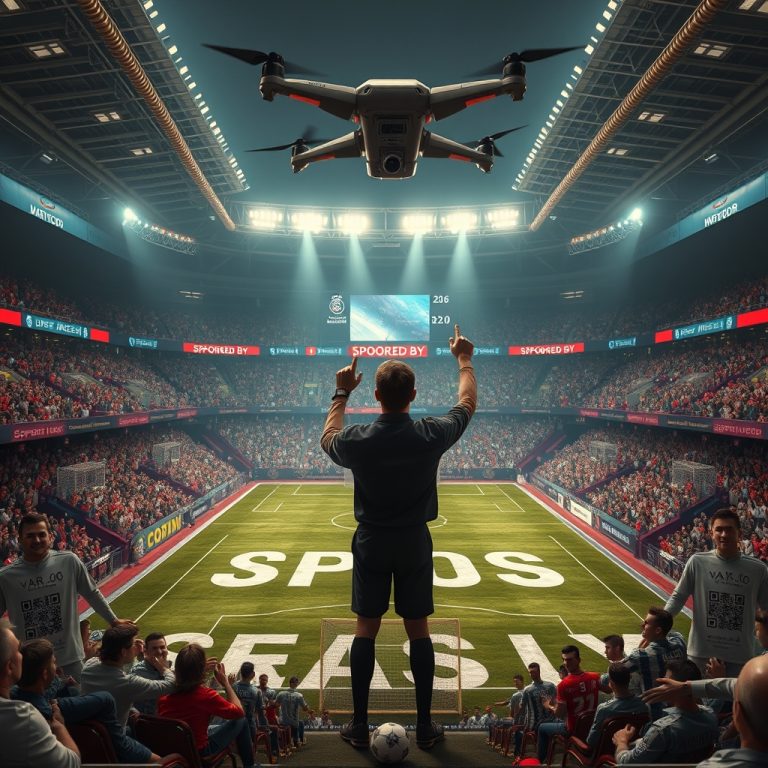
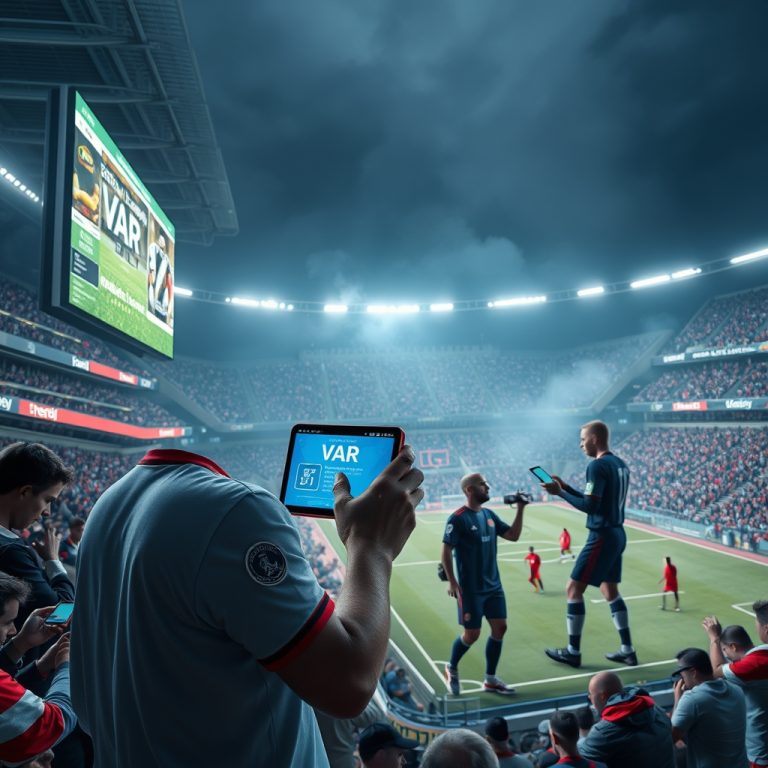
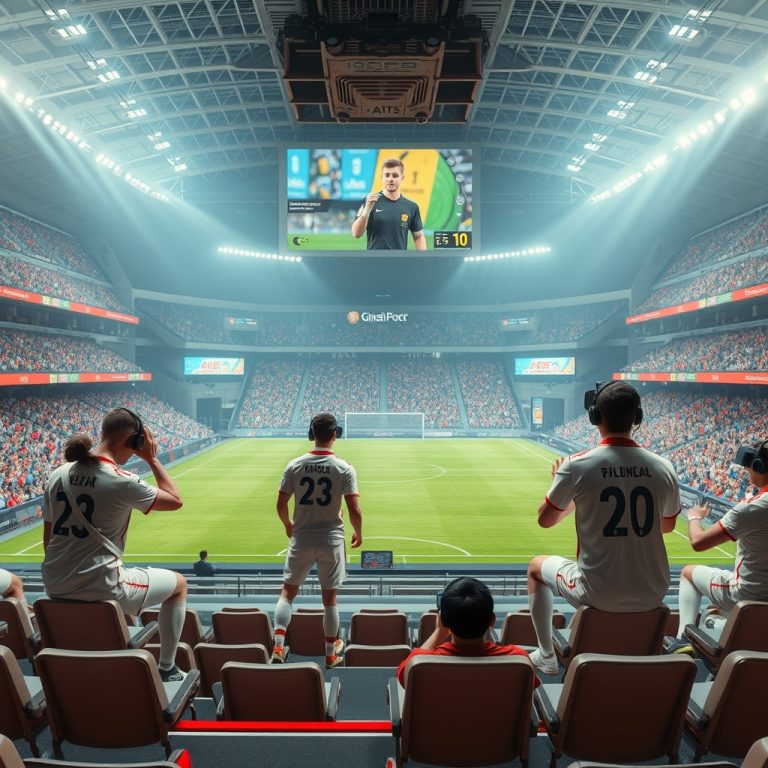
If you thought VAR was a dumpster fire, wait until you meet its bigger, dumber sibling: VAR 2.0. The latest 2026 football updates confirm that the Video Assistant Referee system has been upgraded with “AI-enhanced decision-making,” which is corporate-speak for “we’ve outsourced human judgment to a glorified autocorrect tool.” Now, instead of arguing about whether a handball was intentional, we can argue about whether the AI’s interpretation of “intent” aligns with the 17-page rulebook that changes every Tuesday.
The best part? The AI isn’t even consistent. One week, it’ll flag a player for breathing too close to an opponent, and the next, it’ll let a full-on WWE move slide because “the algorithm detected no malicious intent.” Meanwhile, fans are left wondering if they’re watching a football match or an episode of Black Mirror: Offside Edition. Spoiler alert: They’re the same thing now.
The Stadium Experience: Now With 50% More Ads and 100% Less Soul
Gone are the days when attending a match meant enduring overpriced beer, questionable pie fillings, and the occasional streaker. In 2026, the stadium experience has been reimagined as a “multi-sensory, immersive brand activation hub.” Translation: You’re paying £200 for a ticket that doubles as a QR code scavenger hunt, where the only prize is a 10% discount on a team-branded NFT that will be worthless by halftime.
The latest football news 2026 reveals that clubs have partnered with “experience architects” (read: people who once worked at a theme park) to ensure that every moment of your matchday is monetized. Forgot your scarf? Don’t worry, there’s a pop-up merch stand in the bathroom. Hungry? The hot dog vendor now accepts cryptocurrency. Want to watch the game? Too bad—you’re too busy scanning a QR code for a chance to win a virtual meet-and-greet with the team’s third-choice left-back.
Half-Time Shows: Because Football Wasn’t Distracting Enough Already
If you thought the Super Bowl halftime show was a spectacle, just wait until you see what football has in store. In 2026, halftime isn’t just a break—it’s a full-blown variety show, complete with holographic performances, drone light displays, and a 10-minute segment where the team’s mascot tries to break a world record for “most high-fives in 60 seconds.” Because nothing says “football tradition” like watching a man in a lion costume attempt to beat a record set by a YouTuber in his garage.
The best part? The halftime show is now sponsored by a cryptocurrency exchange, so every time the mascot high-fives a kid, you’re reminded that your life savings could be gone in the time it takes to sing “Seven Nation Army.” It’s not a football match—it’s a live-action infomercial, and you’re the target audience.
The Transfer Window: Where Common Sense Goes to Die
Ah, the transfer window—the time of year when football’s elite clubs engage in a high-stakes game of “who can spend the most money on a player they’ll bench by November.” In 2026, the madness has reached new heights, with clubs now signing players based on their “social media engagement metrics” rather than, you know, actual football ability. Why bother scouting a 17-year-old winger when you can just sign a TikTok-famous midfielder who once did a backflip in training?
The latest 2026 football transfers include a £150 million move for a striker whose biggest claim to fame is a viral video of him juggling a watermelon. Meanwhile, the team’s actual top scorer is being shipped out on loan because his Instagram following “isn’t growing fast enough.” It’s not a transfer window—it’s a popularity contest, and the fans are the ones left holding the bill.
The Rise of the “Meta-Player”: Because Football Wasn’t Weird Enough
In 2026, the term “meta-player” has entered the football lexicon, referring to athletes who exist primarily in the digital realm. These are the players who have more followers than fans, whose highlight reels are edited by the same people who cut together Fortnite montages, and whose contracts include clauses about “brand synergy.” They don’t just play for a club—they play for an audience, and that audience doesn’t care about trophies. They care about content.
The meta-player’s greatest skill isn’t dribbling or shooting—it’s knowing how to milk a moment for maximum engagement. A last-minute winner? That’s a 15-second clip with a dramatic zoom-in and a caption like “THE KING IS BACK 👑🔥.” A red card? That’s a Twitter thread about “mental health awareness” and a sponsored post for a meditation app. It’s not football—it’s performance art, and we’re all just extras in the background.
So, What’s Next? More of the Same, Probably
If there’s one thing the football news 2026 has taught us, it’s that the sport isn’t evolving—it’s mutating. And not in the cool, X-Men kind of way. More like in the “we’ve accidentally created a monster and now we’re too invested to stop it” kind of way. The powers that be will keep pushing the boundaries of what football can be, which is code for “how much money we can extract from fans before they realize they’re being played.”
But here’s the thing: We keep coming back. We complain, we meme, we threaten to cancel our season tickets, and then we log on to Twitter to live-tweet the next match like nothing happened. The algorithm demands our attention, the clubs demand our money, and the players demand our adoration. And yet, somehow, we still care. Maybe that’s the real joke—we’re all just waiting for the next viral moment, even if it means selling our souls to the content gods one 15-second clip at a time.
About the Author