Oh, football in 2026—where the beautiful game has officially become a dystopian escape room, and we’re all trapped inside, frantically searching for a key that doesn’t exist. The only difference? In a real escape room, you at least get a participation trophy. Here, you get a £90 replica shirt with a sponsor’s logo so large it could double as a billboard for existential dread. Welcome to the latest installment of FootBall News 2026, where the only thing more predictable than VAR controversies is the corporate overlords’ ability to turn our passion into a live-action corporate bingo night. And yes, we’re still marking the cards.
The Stadium Experience: Now With 100% More Capitalism
Remember when going to a football match meant, I don’t know, watching football? Those were the days—back when the biggest scandal was whether the half-time pies were overpriced (they were). Fast forward to 2026, and the stadium experience has been rebranded as a “multi-sensory entertainment hub,” which is corporate-speak for “we’ve turned the stands into a shopping mall with worse Wi-Fi.”
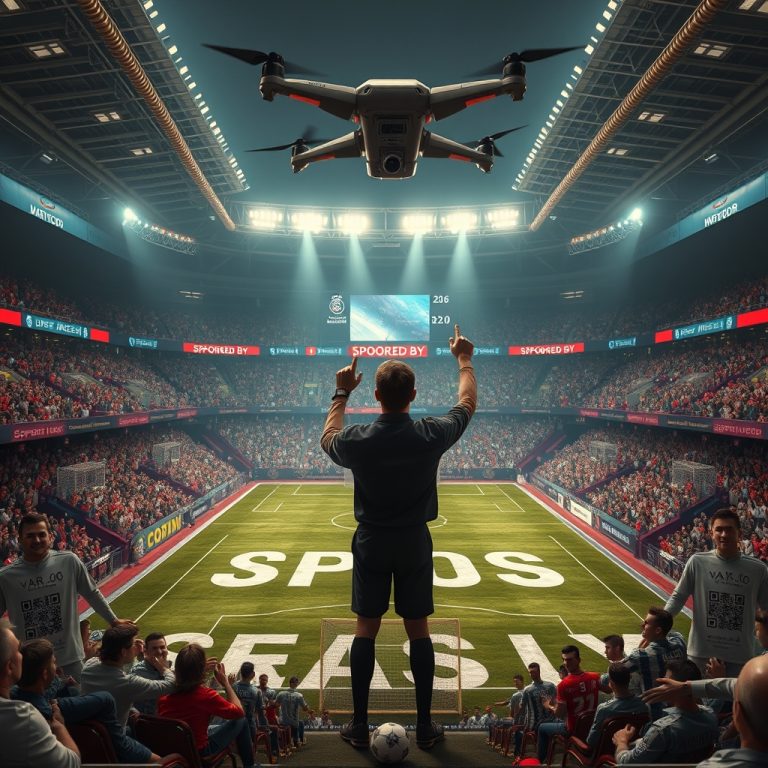
Gone are the days of singing your heart out for 90 minutes. Now, you’re too busy scanning QR codes for “exclusive content” (read: ads) or participating in “interactive fan experiences” (read: surveys that will later be used to sell you more crap). The only thing missing is a disclaimer: “Warning: Attending this match may result in spontaneous consumerism and a crippling sense of buyer’s remorse.”
And let’s not forget the pièce de résistance: dynamic pricing. Because nothing says “we care about the fans” like charging £200 for a seat that was £50 last week, just because the opposition’s star player posted a thirst trap on Instagram. It’s not price gouging; it’s “market-driven fan engagement.”
VAR 2.0: Because the First Version Wasn’t Soul-Crushing Enough
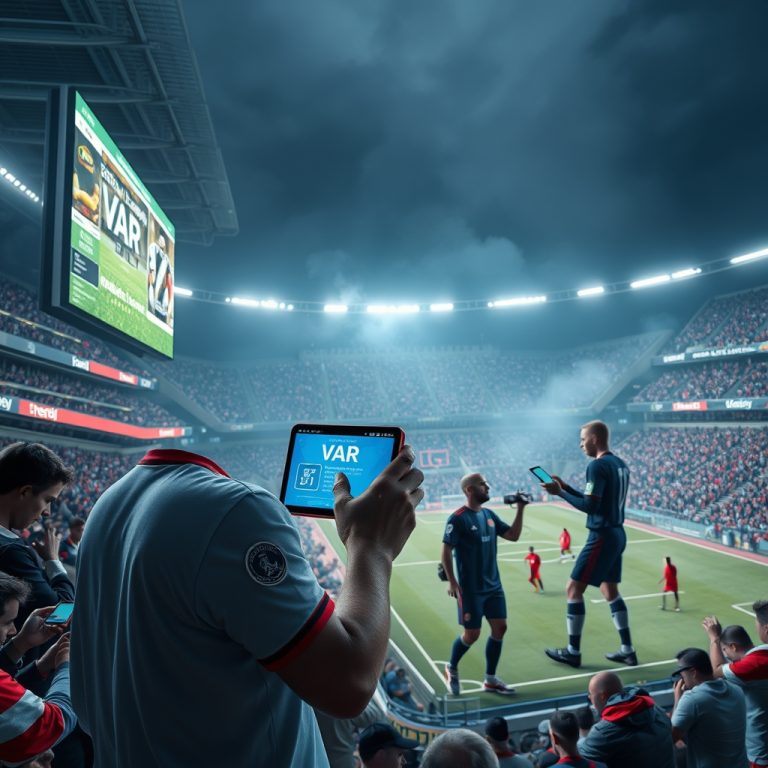
Ah, VAR—the technological marvel that promised to eliminate controversy and instead turned every match into a 12-part legal drama. In 2026, VAR has evolved into VAR 2.0: Electric Boogaloo, complete with AI-powered “emotion detection” to determine if a player’s celebration was “genuine” enough to warrant a yellow card. (Spoiler: It wasn’t.)
Gone are the days of debating whether a handball was intentional. Now, we’re arguing over whether the AI’s interpretation of “intent” aligns with the 37-page rulebook that changes every Tuesday. The referees have been replaced by a panel of algorithmic overlords who communicate via cryptic emojis, and the only thing more frustrating than their decisions is the fact that we’re still pretending this is football and not a glitchy video game.
And let’s not even get started on the “fan VAR” feature, where supporters can vote on key decisions via an app. Because nothing says “fair play” like letting a bunch of drunk fans in the pub decide whether that last-minute winner was offside. It’s democracy in action, folks—just don’t ask what the turnout was like.
The Transfer Window: Where Common Sense Goes to Die
If you thought the transfer window was already a circus, wait until you see what 2026 has in store. Thanks to the wonders of blockchain technology, we now have “smart contracts” that automatically trigger clauses based on a player’s Twitter activity. Did your star striker like a rival club’s post? Congratulations, his release clause just doubled. Did he tweet about his “love for the game”? Sorry, that’s now a binding verbal agreement to stay for life.
The transfer window has also become a live-streamed auction, complete with celebrity hosts and a “buy now, pay later” option. Because nothing says “financial responsibility” like letting clubs bid on players using imaginary money they don’t have. It’s like eBay, but with more tears and less buyer protection.
And let’s not forget the rise of the “NFT player”—a digital collectible that gives you the “right” to vote on your favorite team’s next signing. Because nothing says “fan engagement” like letting a bunch of crypto bros decide whether your club should splash £200 million on a 16-year-old YouTuber with a flashy highlight reel.
The International Break: Now With More Jet Lag and Less Football
Ah, the international break—the time of year when domestic football takes a backseat to a series of glorified friendlies that no one asked for. In 2026, the international break has been rebranded as the “Global Football Festival,” which is just a fancy way of saying “we’re going to fly your favorite players halfway around the world to play in a stadium that’s 90% empty, and you’re going to watch it anyway.”
Gone are the days of meaningful international tournaments. Now, we have the “FIFA World League,” a year-round competition that’s basically the Champions League but with more jet lag and less actual football. The prize? A trophy that looks like it was designed by a committee of corporate sponsors, and the “honor” of being crowned “Global Football Festival Champions” (a title that sounds like it belongs on a cereal box).
And let’s not forget the “cultural exchange” matches, where teams are forced to play in random countries to “promote the global game.” Because nothing says “football diplomacy” like making a bunch of exhausted players fly to Qatar in August for a “friendly” that no one cares about. It’s not exploitation; it’s “brand synergy.”
The Future of Football: A Glorified Netflix Series (That You Pay For)
So, what does the future hold for football in 2026? More of the same, but with added absurdity. The game is no longer just a sport; it’s a subscription service, a reality TV show, and a corporate sponsorship deal all rolled into one. And the best part? We’re not just the audience—we’re the product.
The stadiums are now “experience hubs,” the players are “content creators,” and the matches are “episodes” in a never-ending series that we can’t stop watching. The only difference is that Netflix at least lets you binge-watch in peace. Here, you’re paying for the privilege of being bombarded with ads, upsold on merchandise, and emotionally manipulated into caring about a game that’s increasingly unrecognizable.
But hey, at least the popcorn is still overpriced. And as long as we keep buying the tickets, the jerseys, and the overpriced beer, the show will go on. After all, in the grand escape room of modern football, the only way out is to stop playing the game. And let’s be honest—we’re not ready to quit just yet.
About the Author