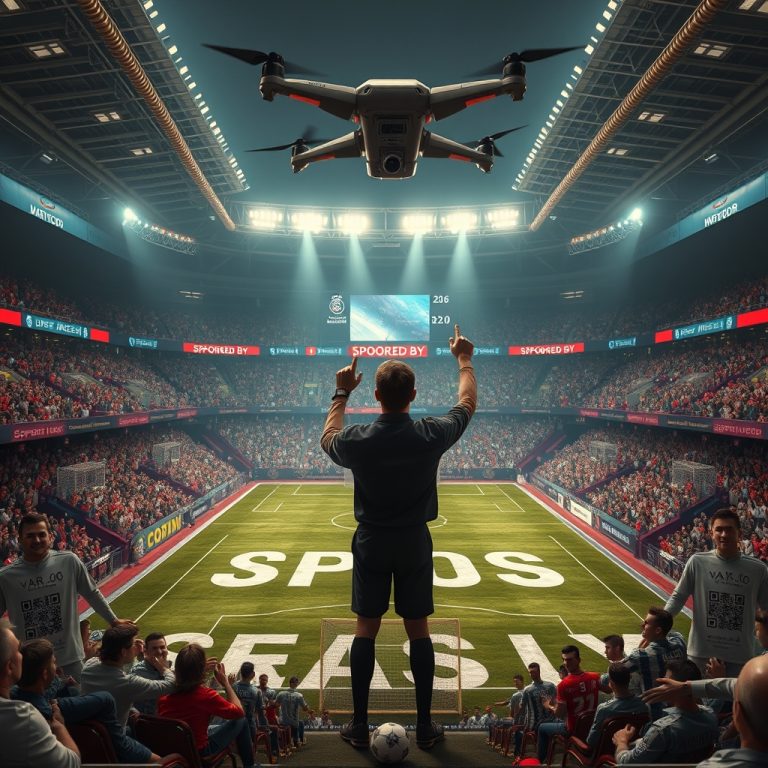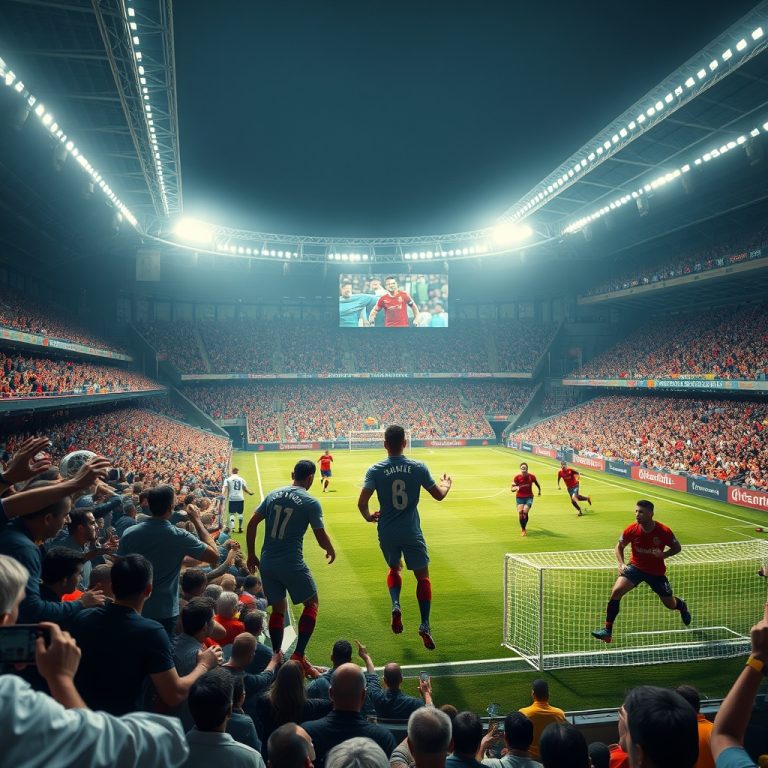
Oh, look—it’s 2026, and football is still the world’s most expensive participation sport where the only thing you’re actually participating in is a global exercise in cognitive dissonance. If you thought the last decade was a masterclass in how to monetize nostalgia while systematically dismantling everything that made the game beautiful, buckle up. Football news 2026 is here to remind you that the only thing evolving faster than VAR is the art of making fans feel like an afterthought in their own sport.
The Stadium Experience: Now With 30% More Corporate Overlords
Remember when going to a match felt like a pilgrimage? Now it’s more like a day pass to a dystopian amusement park where the rides are overpriced, the lines are endless, and the only thing “thrilling” is the moment you realize your season ticket costs more than your rent. Stadiums in 2026 aren’t just venues—they’re “experiential hubs” (corporate speak for “we’ve replaced the atmosphere with sponsored silence”).
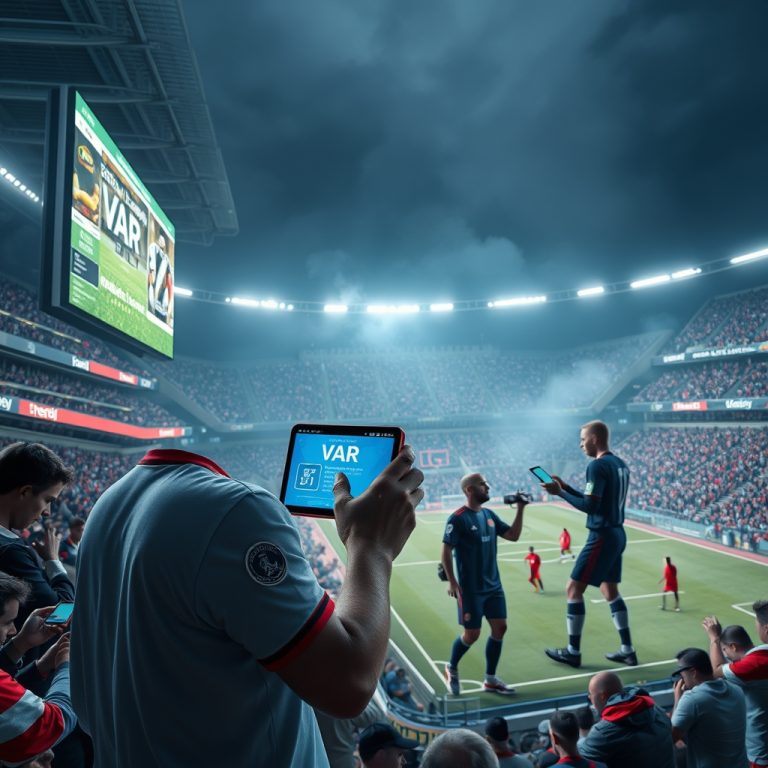
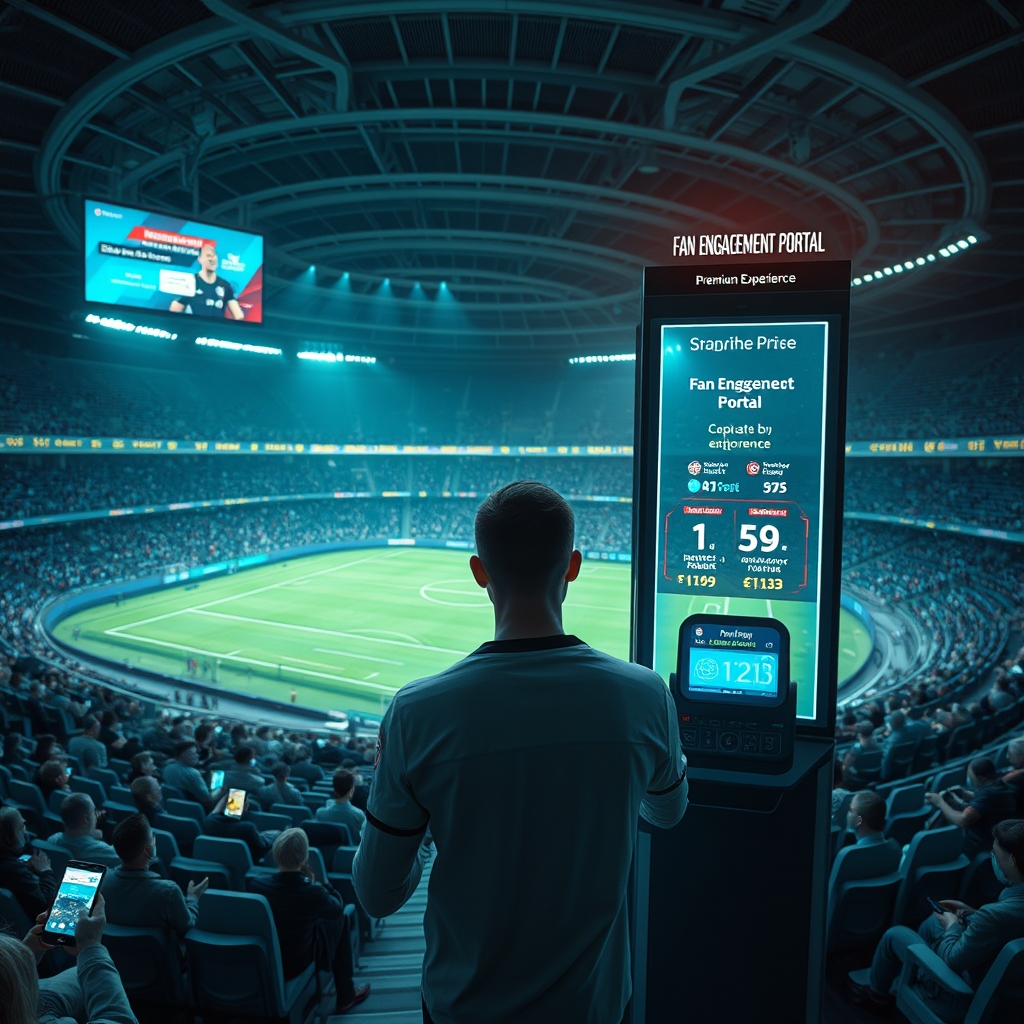
Gone are the days of singing your heart out with 50,000 strangers. Now, you’re handed a “fan engagement app” at the gate that tracks your emotions in real-time (because nothing says “authentic passion” like algorithmic sentiment analysis). Cheer too loudly? That’s a push notification from your bank reminding you how much this “experience” is costing you. Stay quiet? Congratulations, you’ve just been flagged as “low engagement” and will receive targeted ads for “premium fan upgrades” (aka: pay more to pretend you matter).
And let’s not forget the pièce de résistance: the “dynamic pricing surge” for halftime snacks. That £5 pie you bought last season? Now it’s £12, but only if you agree to watch a 30-second ad for a cryptocurrency exchange while you eat. Because nothing pairs better with a lukewarm meat pastry than the existential dread of realizing you’ll never afford a house.
Transfers: Where Money Laundering Meets Performance Art
If you thought the transfer window was already a surrealist nightmare, wait until you see what 2026 has in store. This year, clubs have officially stopped pretending that transfers have anything to do with football. It’s all about “brand synergy” (corporate speak for “we bought a player because his TikTok following matches our target demographic”).
Meet your new signing: 18-year-old sensation “Liam ‘@LiamPlays’ Thompson,” whose only notable skill is going viral for eating spicy chicken wings while wearing a training bib. His transfer fee? A cool £150 million—£50 million of which went to his agent, £50 million to his “personal brand consultants,” and the remaining £50 million to the club’s owner, who immediately reinvested it in an NFT of Liam’s first touch (which, spoiler alert, was him tripping over the ball).
And let’s not forget the “sustainability clause” in every contract, which ensures that if a player doesn’t post enough sponsored content on Instagram, his wages are docked. Because nothing says “team spirit” like being fined for not tagging your boot sponsor in your Stories.
The VAR Circus: Now With 100% More AI Overlords
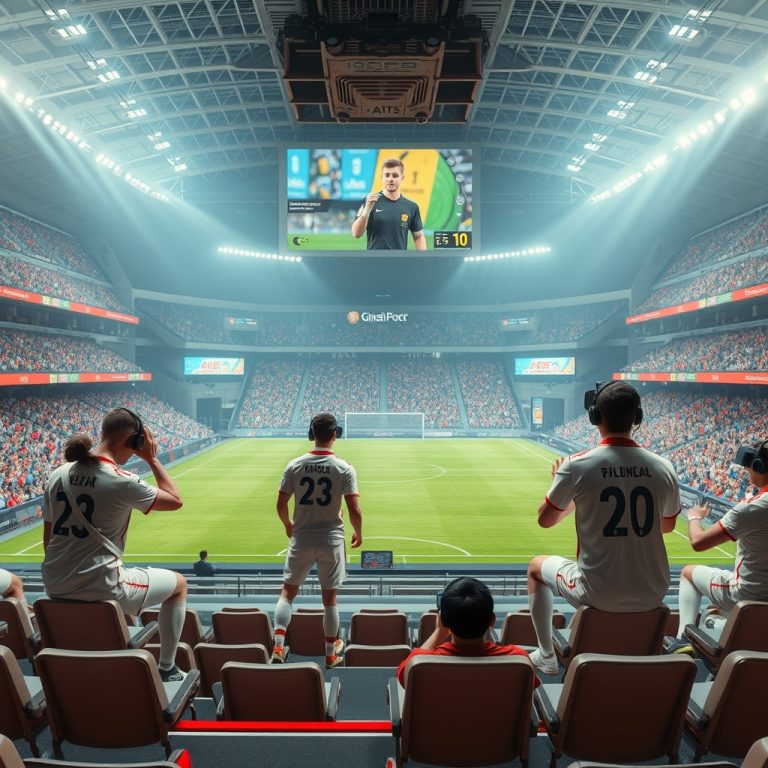
VAR was supposed to make football fairer. Instead, it’s turned every match into a live-action episode of *Black Mirror*, where the only thing more unpredictable than the outcome is how long it’ll take the referee to explain why a goal was disallowed because a pixel of your armpit was offside. In 2026, VAR has been outsourced to an AI that’s been trained on Reddit threads, meaning every decision is now accompanied by a 10-minute monologue about “the spirit of the game” (which, according to the AI, is “whatever the algorithm says it is today”).
Gone are the days of human error. Now, we have *digital* error—where a computer misinterprets a rule it read on Wikipedia five minutes before kickoff. And the best part? The AI is sponsored by a betting company, so every controversial decision comes with a pop-up ad for “in-play markets” (because nothing says “integrity” like gambling on whether the AI will change its mind).
The National Team: A Reality Show You Didn’t Consent To
National team football used to be about pride, passion, and the occasional underdog story. Now, it’s a 24/7 reality show where the only thing more scripted than the press conferences is the players’ “candid” social media posts. In 2026, your country’s team isn’t just a squad—it’s a “content collective” (corporate speak for “we’ve turned our players into influencers”).
Every training session is live-streamed, every team meeting is a podcast, and every pre-match meal is an Instagram Story. The manager isn’t a tactician—he’s a “content strategist” whose job is to ensure that every press conference includes at least one viral soundbite. And the players? They’re not athletes—they’re “brand ambassadors” who spend more time negotiating sponsorship deals than practicing set pieces.
The result? A national team that’s more concerned with its “engagement metrics” than its actual performance. And when they inevitably crash out of the tournament in the group stages, you’ll get a heartfelt apology video—sponsored by a fast-food chain—where the captain promises to “do better next time” (next time being the next content cycle).
The Future of Football: A Glorified Ad Break With Extra Steps
So, what’s next for football in 2026? More of the same, but with extra steps. The game you loved is now a glorified ad break where the only thing more predictable than the outcomes is the relentless commodification of every last inch of the sport. The players, the fans, the stadiums—everything is for sale, and the price keeps going up.
But here’s the thing: as long as we keep buying the tickets, clicking the links, and pretending this is normal, nothing will change. The corporate overlords aren’t the villains here—they’re just the ones holding up the mirror. The real question is: when will we stop paying to watch our own exploitation? Until then, grab your overpriced beer, download the app, and enjoy the show. After all, the algorithm is watching—and it’s already decided what you’ll watch next.
About the Author