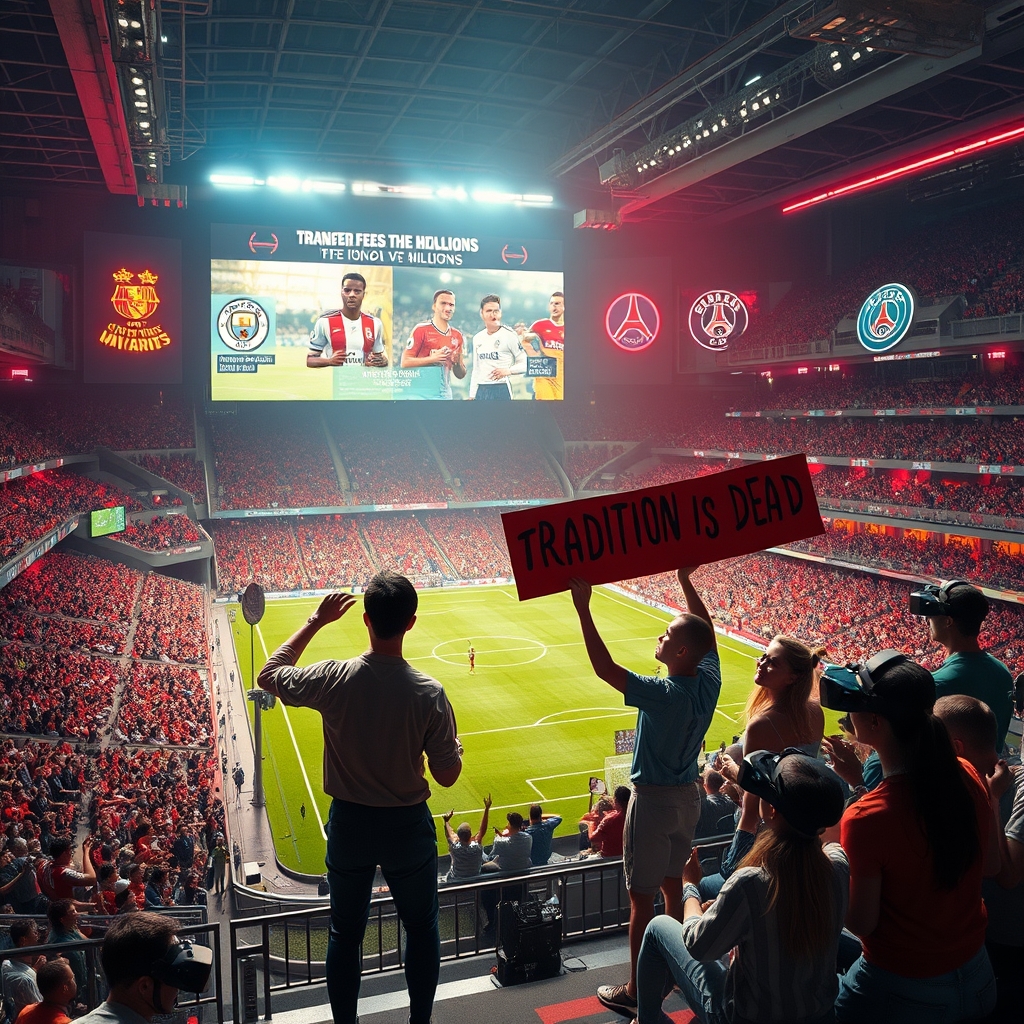
Oh, FootBall News 2026—because nothing says “sporting integrity” like a three-year buildup to a tournament that will inevitably be overshadowed by some fresh scandal, a last-minute host change, or a player getting sent off for looking at a referee funny. If you thought the beautiful game couldn’t get more absurd, buckle up, because 2026 is shaping up to be the year football stops pretending it’s not just one big, expensive reality TV show.
The 2026 World Cup: Because Why Have One Host When You Can Have Three?
In a move that screams “we have no idea what we’re doing,” FIFA decided the 2026 World Cup will be spread across three countries: the U.S., Canada, and Mexico. Because nothing says “unity” like forcing fans to book flights, hotels, and visas for three different nations just to watch their team lose in the group stage. The logistics alone are a nightmare, but hey, at least the commercials will be top-tier.
This isn’t just a tournament; it’s a logistical Rubik’s Cube where the only winning move is not to play. But who needs coherence when you can have expansion? With 48 teams now competing, we’re guaranteed more matches, more drama, and more opportunities for underdogs to get humiliated on the world stage. Because nothing says “fair competition” like throwing in a dozen extra teams and calling it progress.
VAR 2.0: Because Human Error Was the Only Thing Keeping Referees Relatable
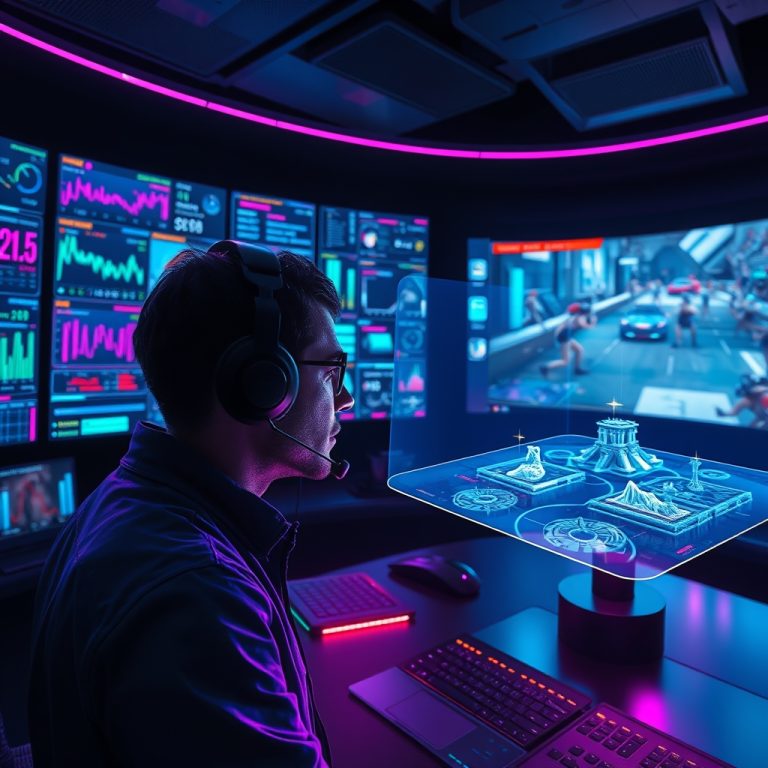
Remember when referees were just fallible humans making split-second decisions? Those were the days. Now, we have VAR 2.0—because why trust a single official when you can have a committee of armchair experts in a bunker somewhere overruling every call? The 2026 World Cup will likely feature even more stoppages, more replays, and more players standing around like confused meerkats while some guy in a headset decides their fate.
The irony? The more technology we throw at football, the more it feels like the sport is being run by a malfunctioning AI. Offside calls will be measured in millimeters, goals will be disallowed for reasons no one understands, and fans will spend more time watching replays than actual live action. But hey, at least the broadcasters will love it—more ads, more analysis, more time to sell you overpriced jerseys.
Will VAR Finally Kill the Spirit of the Game?
Probably. But let’s be real—football died the moment clubs started being bought by oil tycoons and tech bros who think «sport» is just another asset class. VAR is just the cherry on top of a very expensive, very soulless cake. The only question left is whether we’ll even notice the difference by 2026.
The Rise of the Super League: Because Why Play for Your Country When You Can Play for a Billionaire?
Ah, the Super League—the gift that keeps on giving. Even after its spectacular implosion in 2021, the idea refuses to die, like a zombie in a bad horror movie. By 2026, expect some new iteration of this corporate wet dream to rear its ugly head, because nothing says “football tradition” like a closed-shop tournament where the same 12 teams play each other in perpetuity while the rest of the world watches from the sidelines.
The best part? The players will still be expected to show up for international duty, risking injury for their countries while their clubs plot to replace them with AI-generated holograms. Because why should athletes have any say in their own careers when there’s money to be made?
Will the Super League Actually Happen This Time?
Who knows? But if it does, at least we’ll finally have an answer to the age-old question: What’s the point of international football when the real power lies with a handful of oligarchs and sheikhs? Spoiler alert: There isn’t one. But that won’t stop us from watching.
The 2026 Transfer Market: Where Common Sense Goes to Die
If you thought transfer fees were already absurd, just wait until 2026. With clubs awash in even more cash from TV deals, sponsorships, and cryptocurrency scams, we’re looking at a market where a 17-year-old with 10 first-team appearances can command a €200 million fee. Because nothing says “sustainable football” like a sport where the financial equivalent of a small country’s GDP changes hands for a winger who can’t cross a ball.
The best part? The players will still complain about not being paid enough. Meanwhile, agents will continue to circle like vultures, brokering deals that make the Treaty of Versailles look like a handshake agreement. By 2026, expect at least one club to be bought by a sentient algorithm that decides transfers based on TikTok engagement metrics. Because why not?
Will Financial Fair Play Actually Do Anything?
No. The acronym might as well stand for Farcical Financial Practices, because that’s all it’s ever been. UEFA will slap a few clubs on the wrist, they’ll pay a fine (which is just a rounding error in their annual budget), and the circus will continue. The only difference in 2026 is that the numbers will have more zeros.
Fan Culture in 2026: From Ultras to Algorithms
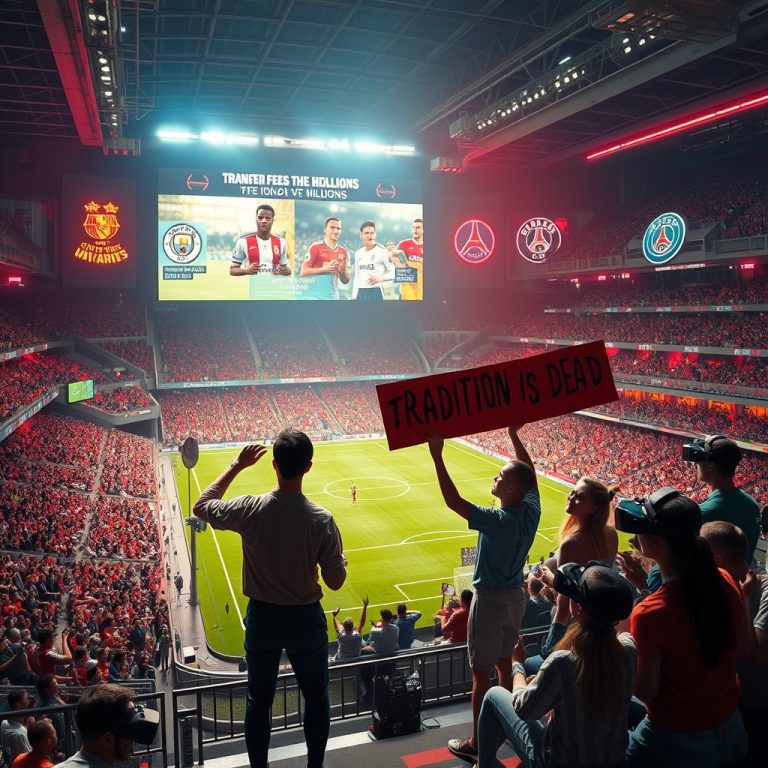
Gone are the days when football fandom was about passion, loyalty, and the occasional riot. In 2026, it’s all about engagement metrics, NFT season tickets, and watching matches in VR while your avatar does the chanting for you. Because nothing says “authentic experience” like paying extra to have your digital self sit in a virtual stadium while the real one is half-empty.
The sad truth? The modern fan is less a supporter and more a consumer—a walking, talking data point for clubs to monetize. By 2026, expect even more invasive tracking, more personalized ads, and more opportunities for sponsors to shove their logos into every conceivable space, including the players’ eyeballs. Because if you can’t see the game through the forest of corporate branding, did it even happen?
Will Fans Ever Get a Say in the Game Again?
Not unless they start buying clubs themselves—and even then, good luck competing with the sovereign wealth funds. The best we can hope for is that by 2026, someone invents a way to mute the commentary, skip the ads, and watch the game in peace. Until then, we’re all just cogs in the machine, happily paying for the privilege of being exploited.
So there you have it—FootBall News 2026 in all its glorious, chaotic, corporate-sponsored absurdity. The game might be unrecognizable, the stakes might be higher than ever, and the soul might be long gone, but at least the drama will be top-tier. And really, isn’t that all we ever wanted? A never-ending soap opera with a ball, where the only thing more predictable than the outcomes is the sheer audacity of the people running it. Enjoy the show—you’re paying for it, after all.
About the Author