Oh, look—it’s 2026, and the world of football has once again outdone itself in the noble pursuit of turning something we love into something we barely recognize. If you thought the last decade was a masterclass in corporate absurdity, wait until you see what’s happening now. Football news 2026 isn’t just about goals, transfers, or even the occasional VAR-induced existential crisis. No, it’s about how the beautiful game has fully embraced its new role as a live-action corporate bingo night, where every square is a fresh indignity and we’re all just here, daubers in hand, waiting for the next outrage to complete our card.
The Stadium Experience: Now With 100% More Capitalism
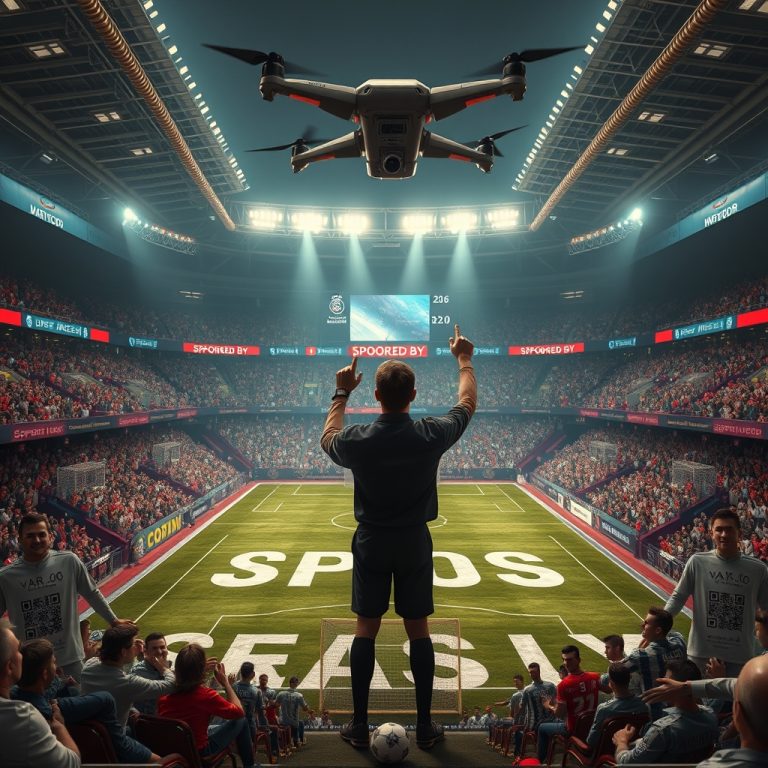
Remember when going to a football match was about, you know, watching football? Those quaint days are long gone. Now, your matchday experience starts with a mandatory pre-game «engagement activity»—because nothing says «passion for the sport» like being forced to participate in a sponsored quiz where the prize is a 10% discount on overpriced stadium nachos. The ads aren’t just on the pitchside boards anymore; they’re in the air (drone banners), on your seat (embedded screens), and even in the halftime show, which is now just a 15-minute infomercial for the latest cryptocurrency that’s «revolutionizing fan engagement.» Spoiler: It’s not.
And let’s not forget the «dynamic pricing» model, where ticket costs fluctuate based on «demand»—because nothing enhances the fan experience like realizing you’ve just paid more for your seat than the bloke next to you because you dared to buy tickets on a Saturday instead of a Tuesday. It’s like Uber surge pricing, but with more existential dread.
Transfers: Where Money Laundering Meets Performance Art
If you thought the transfer window was already a farce, just wait until 2026. The latest innovation? «Player tokens.» That’s right—clubs are now issuing blockchain-based tokens that give fans «exclusive» access to transfer news before it’s announced. Because nothing says «transparency» like a system where the richest fans can essentially bet on player movements before the rest of us even know a deal is happening. It’s like Fantasy Football, but with real money and zero regulation. What could go wrong?
And let’s not overlook the «sustainability clauses» in contracts, where players are now required to offset their carbon footprints by planting trees—or, more likely, by appearing in ads for the club’s «official sustainability partner,» a fossil fuel company that’s «committed to a greener future» (by which they mean «we’ll keep drilling, but we’ll plant a few saplings to shut you up»).
VAR 2.0: Because the First Version Wasn’t Opaque Enough
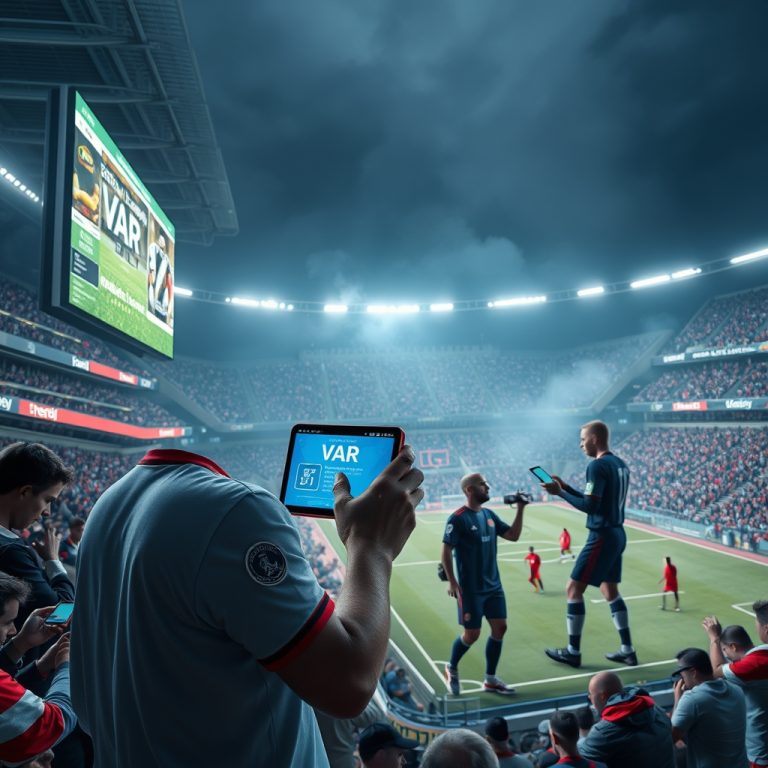
VAR was supposed to make football fairer. Instead, it turned every match into a Kafkaesque nightmare where no one, not even the officials, understands the rules. Well, hold onto your hats, because VAR 2.0 is here, and it’s even better. Now, instead of just reviewing decisions, the system will also «predict» what *might* have happened if a foul had been called differently. That’s right—football has officially entered the «choose your own adventure» phase, where the outcome of a match depends on which hypothetical scenario the AI deems most «probable.»
And if you thought the delays were bad before, just wait until the «fan consensus» feature is rolled out. That’s right—your opinion now matters! After every controversial decision, fans in the stadium (and, of course, those watching at home who’ve paid for the «premium engagement package») will get to vote on whether the call was correct. Because nothing says «fair play» like turning refereeing into a popularity contest.
The Broadcast Experience: Now With More Sponsored Content Than Actual Football
Gone are the days when you could watch a match without feeling like you were being upsold a timeshare. In 2026, the broadcast experience is a seamless blend of football and advertising, where the line between commentary and infomercial has been erased entirely. The «official match ball» isn’t just a ball—it’s a «smart ball» that tracks your biometrics and recommends energy drinks based on your «performance.» The halftime analysis isn’t just analysis—it’s a «deep dive» into the latest trends in sports betting, brought to you by the bookmaker that’s «changing the game.»
And if you’re watching at home, good luck avoiding the «interactive ads» that pause the match to ask if you’d like to «learn more» about the latest credit card that’s «perfect for football fans.» Because nothing enhances the viewing experience like being interrupted mid-counterattack to hear about a 0% APR introductory rate.
Social Media: Where the Real Drama Happens (And It’s All Scripted)
If you thought footballers’ social media feeds were already a surreal mix of humblebrags and sponsored content, just wait until 2026. Now, every post is a «brand collaboration,» where players «authentically» endorse products they’ve never used in a tone that’s somehow both overly enthusiastic and deeply insincere. The latest trend? «Behind-the-scenes» content that’s so obviously staged it might as well come with a disclaimer: «This is not real life. Do not attempt.»
And let’s not forget the «fan engagement» initiatives, where clubs encourage supporters to create content for them—for free, of course. Because nothing says «we value our fans» like turning them into unpaid interns for your marketing department. The best part? The «best» fan-created content gets featured on the club’s official channels, where it’s immediately monetized. It’s crowdsourcing, but with more exploitation!
The Future of Football: A Glorious, Ridiculous Mess
So, what’s next for football in 2026? More ads, more gimmicks, and more ways for the powers that be to squeeze every last penny out of our passion. The stadiums will get smarter (and more invasive), the transfers will get weirder (and more financially dubious), and the broadcasts will get louder (and more infuriating). But here’s the thing: we’ll still watch. We’ll still complain. And we’ll still buy the tickets, the jerseys, and the overpriced beer.
Because that’s the real joke, isn’t it? No matter how absurd it gets, we can’t look away. We’re all just marks in the world’s most elaborate corporate bingo night, and the house always wins. So grab your dauber, place your bets, and enjoy the show—because the next outrage is just a square away.
About the Author