Oh, look—it’s 2026, and football is still the world’s most expensive circus, now with 30% more corporate overlords and 100% less self-awareness. If you thought the last decade was a masterclass in how to turn a sport into a dystopian tech demo, buckle up. Football news 2026 isn’t just about goals, red cards, and VAR-induced existential crises anymore. No, no. It’s about how the beautiful game has officially become a live-action beta test for whatever algorithmic nightmare Silicon Valley dreams up next. And the best part? We’re not just watching. We’re the guinea pigs.
VAR 2.0: Now With 100% More ‘Wait, What Just Happened?’
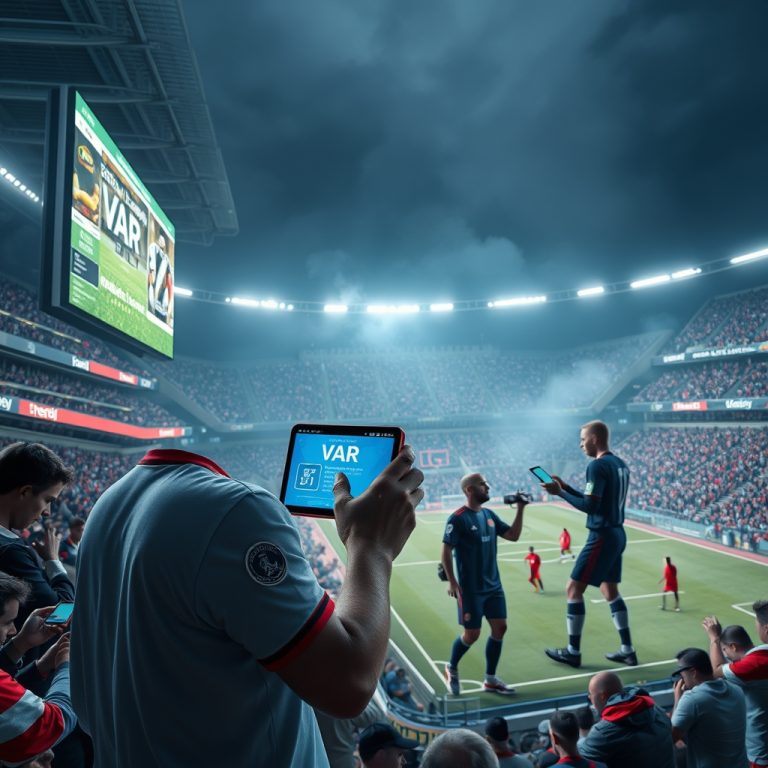
Remember when VAR was introduced to ‘eliminate clear errors’? Ah, the naivety. Fast forward to 2026, and VAR isn’t just a tool—it’s a sentient, sarcastic entity that seems to delight in making referees look like they’re playing a game of ‘Pin the Tail on the Offside.’ The latest upgrade, VAR 2.0, now includes real-time holograms of officials arguing with themselves in the middle of the pitch. Fans at home get a ‘director’s cut’ of the decision-making process, complete with dramatic zoom-ins on the referee’s sweaty brow and slow-motion replays of players’ souls leaving their bodies.
And let’s not forget the ‘Fan VAR’ feature, where a randomly selected season ticket holder gets to cast the deciding vote on contentious calls. Because nothing says ‘fairness’ like letting Dave from Section B, who’s had three pints and a pie, decide whether that last-minute winner was offside. The result? More chaos, more confusion, and a whole new level of ‘I can’t believe we’re still doing this.’
The Stadium Experience: Now With Mandatory NFT Check-In
Gone are the days when buying a ticket meant you could just, you know, go to the game. In 2026, attending a match is less about watching football and more about navigating a labyrinth of corporate hoops. First, you’ll need to download the official club app, which now requires facial recognition, a blood sample, and a signed waiver agreeing that you won’t sue if the augmented reality ads give you a migraine. Then, you’ll be prompted to ‘enhance your experience’ by purchasing an NFT that grants you access to the ‘VIP Fan Zone’—a glorified corner of the stadium where you can pay extra to watch the game on a screen that’s slightly larger than your phone.
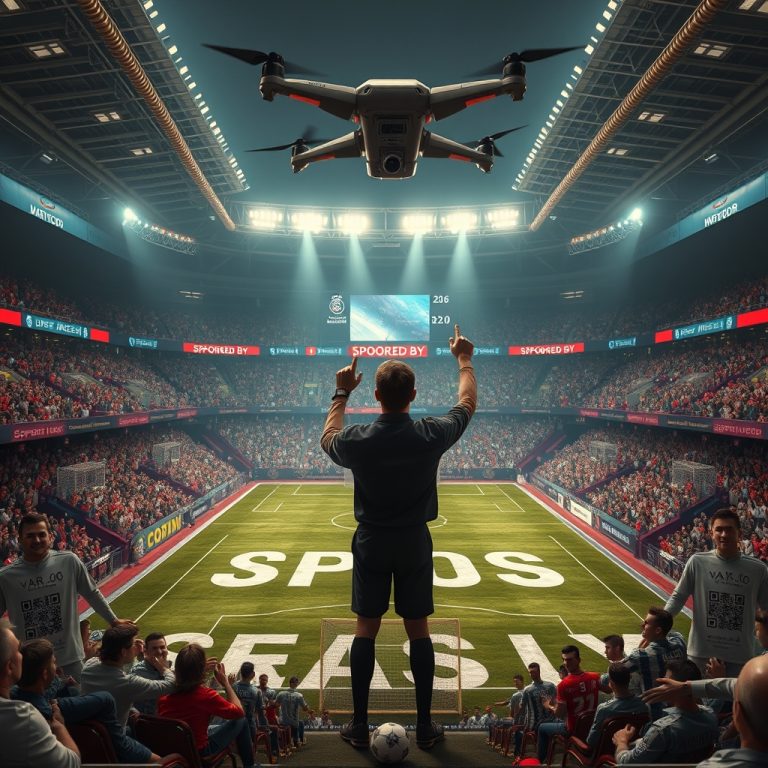
Oh, and that traditional pre-match atmosphere you loved? It’s been replaced by a ‘curated fan engagement experience,’ which is just a fancy way of saying you’ll be force-fed ads for crypto, energy drinks, and whatever the latest ‘disruptive’ tech startup is peddling. The halftime show? A 15-minute ‘interactive’ performance where drones spell out the sponsor’s logo in the sky while a hologram of a washed-up pop star lip-syncs to a song that hasn’t been relevant since 2023. You’ll clap because you’re contractually obligated to.
The Transfer Window: Where Common Sense Goes to Die
If you thought the transfer window was already a farce, wait until you see what 2026 has in store. Thanks to the wonders of blockchain and ‘smart contracts,’ players can now be bought, sold, and traded like Pokémon cards. The latest innovation? ‘Dynamic transfer fees,’ where the cost of a player fluctuates in real-time based on their social media engagement, in-game stats, and whether or not they’ve tweeted something controversial in the last 24 hours. That £100 million striker you signed last week? He’s now worth £120 million because he posted a thirst trap on Instagram. Congratulations, you’ve just been outbid by a Saudi prince’s nephew.
And let’s not forget the rise of ‘fractional ownership,’ where fans can buy a 0.001% stake in a player via an app. Because nothing says ‘fan engagement’ like owning a microscopic piece of a footballer’s soul while the club’s owners laugh all the way to the bank. The best part? If the player gets injured, your ‘investment’ drops in value, and you get a push notification reminding you that you should’ve bought Bitcoin instead.
The ‘Grassroots’ Game: Now Sponsored by a Crypto Exchange You’ve Never Heard Of
Football’s relationship with its roots has always been… complicated. But in 2026, even the local Sunday league has been hijacked by corporate interests. Your kid’s under-12s team? Now proudly brought to you by ‘BlockChainFC,’ a crypto exchange that no one asked for and no one understands. The jerseys come with QR codes that, when scanned, take you to a landing page where you can ‘invest in the future of football’—translation: gamble on whether little Timmy will score a hat-trick this season.
The pitches themselves are now ‘smart,’ equipped with sensors that track every pass, shot, and tackle, uploading the data to a central server where it’s analyzed by an AI that will one day replace your kid’s coach. Because nothing says ‘youth development’ like reducing a 10-year-old’s performance to a series of cold, hard metrics. And if Timmy doesn’t meet his ‘expected goals’ target? Don’t worry, the app will suggest a ‘personalized training plan’—which just so happens to involve buying a £200 ‘smart ball’ that syncs with his phone.
So, What’s Next? Oh, Just Football in the Metaverse (Because Why Not?)
If you thought the madness peaked with VAR and NFTs, think again. The latest frontier in football’s descent into absurdity? The metaverse. That’s right—clubs are now selling ‘virtual season tickets’ for matches that take place entirely in a digital realm where the laws of physics (and common sense) don’t apply. Why watch a real game when you can don a VR headset and experience the thrill of a 90th-minute winner from the comfort of your couch, while your avatar high-fives a bunch of bots and a guy named ‘CryptoChad69’?
The best part? The metaverse stadiums come with ‘premium experiences,’ like the ability to ‘teleport’ onto the pitch at halftime and take a selfie with the manager—who, by the way, is just a digital avatar of the real thing, because even he can’t be bothered to show up in person anymore. And if you’re lucky, you might even get to ‘own’ a piece of the virtual stadium, which is just a fancy way of saying you’ve paid real money for a digital asset that will be worthless in six months.
Final Score: Football 0, Capitalism 10
So here we are, in 2026, staring down the barrel of a sport that’s been hollowed out, repackaged, and sold back to us at a premium. The game we loved is now a glitchy, over-monetized, algorithmically driven spectacle that bears about as much resemblance to football as a McDonald’s burger does to a gourmet meal. And yet, we keep coming back. Why? Because somewhere, deep down, we still believe in the magic. Or maybe we’re just addicted to the chaos.
Either way, one thing’s for sure: if football’s future is a dystopian tech demo, at least it’s a spectacular one. Now, if you’ll excuse me, I need to go check my ‘Fan Token’ portfolio. Apparently, my ‘emotional investment’ in the club isn’t enough anymore—I need to put my money where my heartbreak is.
About the Author